The Repair Job: Leading Your Clan Through a Bad Call You Made
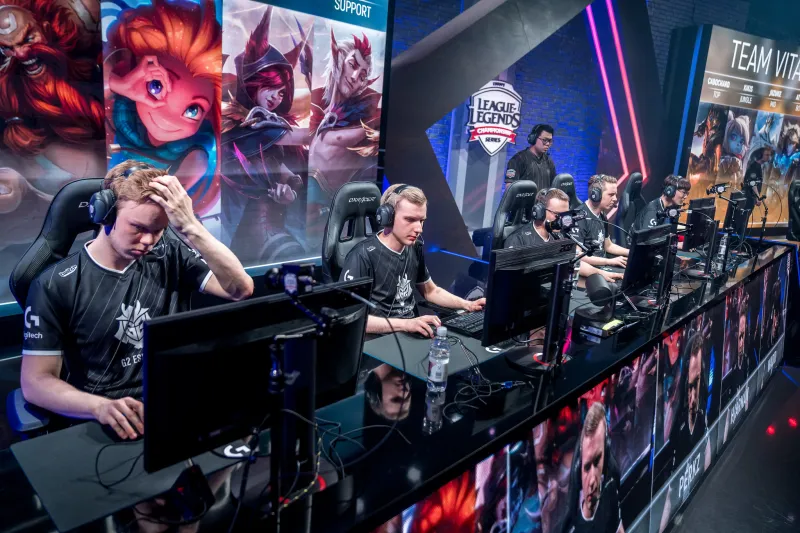
Photo: esports team leader apologising to squad in gaming room UK, via cdn.mos.cms.futurecdn.net
You've just watched the plan fall apart in real time. Maybe you called the wrong site, backed the wrong lineup, or sent a message to the group chat that landed like a dropped tray in a quiet pub. Every leader gets there. The question isn't whether you'll make a bad call in 2026 — it's what you do in the ten minutes after you realise it.
A good apology won't fix a bad draft. But it will keep the room together long enough for you to fix the process. That's the job.
First, Work Out What You're Actually Apologising For
There are three different things tangled up in most clan-leader mistakes: the decision, the delivery, and the impact.
The decision was a read you got wrong. That happens. The delivery might have been sharp, dismissive, or delivered at 11:40pm when everyone should have been logged off. The impact is what your squad actually felt — confusion, embarrassment, a wasted clan night.
Before you type anything, finish this sentence in one line: 'I got X wrong, and it affected Y.' If you can't fill in both blanks, you're not ready to apologise yet. You're just ready to feel bad in public.
Public Sorry, Private Sorry — Pick the Room That Fits
A simple rule: if the mistake happened in front of people, repair it in front of people. If it happened one-to-one, don't turn it into a broadcast.
If you misread a draft on comms and the whole squad heard you call it, a short public correction is right. Keep it specific and brief. 'I called that wrong — I read their rotation badly and we lost tempo. That's on me. Next map we're defaulting to the safer hold.' Then move on. No essay, no re-litigating every round, no asking the channel to reassure you.
If you snapped at one player in a private voice room, apologise privately. Don't drag them into general chat to make yourself feel absolved. And if you dressed someone down in front of the squad, that one needs a public correction as well as a private follow-up. 'I shouldn't have gone at you in front of everyone. My frustration was about the call, not you. I'll pull you aside next time.'
What you're avoiding is the classic UK passive move: apologising to the room while never actually speaking to the person you upset. That isn't repair. That's crowd management.
Accountability Is Not Abdication
Some leaders avoid apologising because they think it hands the squad a vote of no confidence. It doesn't. Owning a bad call is not the same as opening every decision to a committee.
You can say 'I got that wrong' and still be the person who calls the next play. In fact, the two things work better together. A leader who can name a mistake without flinching is easier to trust than one who defends every call like it's a family heirloom.
Separate the apology from the authority. The apology is about the specific decision. The authority is about the role you've been given to make decisions at pace. Don't turn one bad map into a forum thread about clan governance. Make the correction, set a review point if you need one, and get back to playing.
The Three-Line Apology That Doesn't Sound Like HR
You don't need a template, but you do need a shape. Name it, own it, fix it.
'I called the wrong route on map two. That's on me — I read their rotation badly. Next time we'll default to the safer hold and I'll call it earlier.'
That's it. No 'but', no 'if anyone was offended', no long story about how tired you were. If you need to explain context, do it after the apology, not inside it. And don't ask the squad to manage your guilt. They're allowed to be annoyed for a bit.
Repair Is a Behaviour, Not a Speech
Players watch what happens next. If you apologise and then make the same call next week, the words stop meaning anything. So change one visible thing. Call earlier. Ask for a second read from someone you trust. Say 'I'm not sure about this one' before the round starts rather than after it collapses.
Model repair when other people get it wrong, too. If a player misplays and the channel piles on, don't join in to look sharp. Correct the play, not the person. The clan learns more from how you handle someone else's mistake than from any apology you make about your own.
What Not to Do
Don't apologise as performance. Don't over-apologise until the room feels awkward. Don't turn a five-second correction into a three-week committee. Don't use 'we' when you mean 'I'. Don't reopen the decision in general chat at midnight. And don't ask for reassurance in the same breath — that turns your squad into a support group when they just wanted a clean comms channel.
The retention bit is simple. UK clans are small, and people talk. A leader who repairs keeps the bench warm, because players know a bad night won't follow them around. You don't need to be right all the time. You need to be worth following after you're wrong.