The Orgs Are Watching: How UK Esports Found Its Farm System in Community Clans
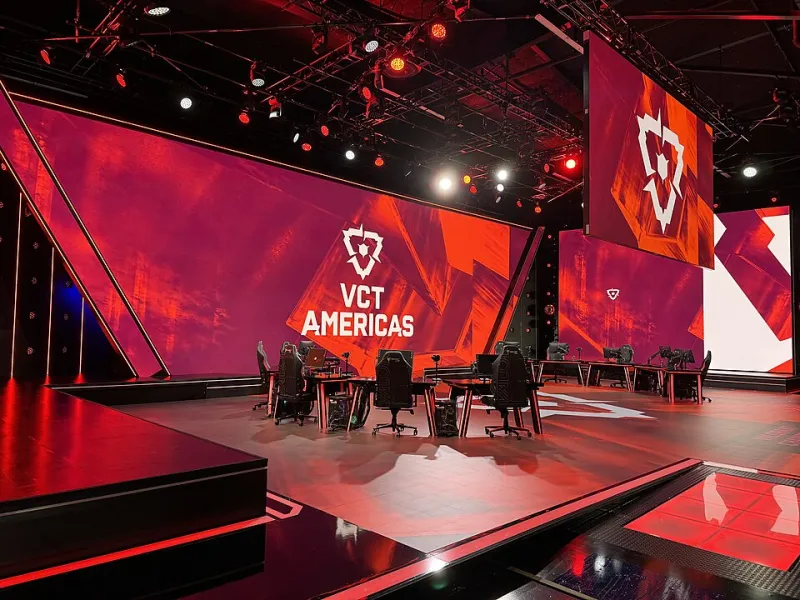
Photo: DJTechYT, CC BY-SA 4.0, via Wikimedia Commons
For years, the assumed route out of the amateur scene was a lonely one: grind ranked, post clips, hope an academy scout stumbles across your name in a spreadsheet of a thousand others. In 2026, a different path is opening up, and it runs through the clan scene.
A number of UK organisations — some with serious backing, some running on sponsorship and stubbornness — have started formalising relationships with existing community squads. Not quite academies, not quite sponsorships. Call them partnerships, affiliates, feeder clans, whatever the announcement graphic says. The practical effect is the same: grassroots squads are being given structure, and orgs are being given a pipeline they didn't have to build from nothing.
Why the pivot is happening now
Running a full academy is brutally expensive. Salaries, coaching, housing sometimes, a boot camp in a city where the rent is grim. For a mid-sized UK org, that's a bet you make once and regret for eighteen months if the roster doesn't click.
A community clan, by contrast, already exists. It already practises. It already has a Discord with eighty people in it and a leader who has somehow kept it alive through two roster rebuilds and a house move.
"We cannot outspend the big orgs on an academy roster," says Priya Raval, who runs Northline Esports out of Leeds. "What we can do is be the first name people think of when a good squad in the North forms. That means being in their Discords, not waiting for them to email us."
There's a commercial logic too. Sponsors have spent a couple of years getting twitchy about top-of-funnel reach and increasingly want evidence of an actual community — real people, real attendance, real conversations. A partnered clan with a hundred engaged members and a weekly open night is a far easier sell than an audience number on a stream overlay.
What orgs are actually looking for
It isn't just rank. Several owners said the same thing in different words: they're buying down risk.
That means a squad that turns up. A leader who replies to messages within a day. A public record — even a scrappy spreadsheet — of scrims played and results. Somebody who can explain, in plain language, how the team intends to improve rather than just how good they reckon they are.
One owner described a partnership that quietly fell apart because the clan's practice attendance hovered around sixty per cent. The org hadn't asked for brilliance. It had asked for reliability, and reliability is the harder of the two to fake.
The clan side of the bargain
For a squad, the appeal is easy to understand: coaching, tournament entry fees, jerseys that don't come from a template site, and the legitimacy of an org name in your bio.
Danny Hobson, who leads a clan called Tea and Terrors that recently signed an affiliation deal, is more measured about it. "We got a coach and a shared spreadsheet for scheduling and scrim tracking," he says. "Honestly, the spreadsheet changed more than the coach did. Nobody wanted to be the person who blanked three blocks in a row when it was written down."
The less glamorous benefit is the one nobody puts in the announcement tweet: having somebody outside the squad to talk to when the roster is arguing about a strat. An org contact can absorb a disagreement that would otherwise fester in a group chat with no referee.
The risks nobody mentions
Here's where a bit of caution is warranted, because "partnered with an esports org" can mean almost anything.
Exclusivity clauses. A squad may find itself unable to enter certain competitions, or unable to take a better offer, for twelve months. Read that section twice.
Poaching. A partnership is not a contract of employment for amateur players. Nothing stops a bigger org noticing your best player — your affiliation just means they know exactly who to ask.
Mismatched ambitions. Orgs sometimes want content and community growth; clans want competitive progression. If those two goals aren't written down and agreed, they drift apart in about four months.
The org folds. It happens. Ask directly what happens to the agreement if the organisation shuts down or loses its main sponsor, and get the answer in writing, even if it's just a polite email thread.
And the one that worries people most: young players signing things they don't understand. If you're under eighteen, get a parent or guardian to read anything before you put a signature on it. That's not caution, that's basic sense.
How a squad actually gets noticed in 2026
Orgs aren't scouting highlight reels and vibes. They're looking for evidence. A short, honest checklist:
- Keep a public record. Results, scrims, attendance. A shared doc beats a good story.
- Post clips with context. Not just the triple kill — what the team called, why it worked.
- Have one point of contact. A single leader who replies. Groups of five replying at once look chaotic.
- Play open circuits and regional LANs. UK grassroots events, university society tournaments and city-level opens are where org staff actually go to watch.
- Be findable. A pinned post in your Discord explaining who you are and what you're after costs nothing.
- Behave in public. Org owners absolutely do read your socials, and they remember how squads talk about other squads after a loss.
Where this goes
Partnerships aren't a ladder, they're a lift with a weight limit. They can move a committed squad up several floors quickly — and they can deposit you firmly at the bottom if the fit isn't right.
The encouraging part is that the door is more open than it was a few years ago. UK orgs are actively looking at community clans, in cities and towns well outside the usual London bubble, and a lot of them would rather find a squad that already knows how to function than assemble one from scratch.
So keep the schedule, keep the receipts, keep the squad culture decent. Somebody with a logo and a budget may well be watching.