Your Bench Isn't a Spare Tyre: Building a UK Clan Second Squad That Actually Sticks
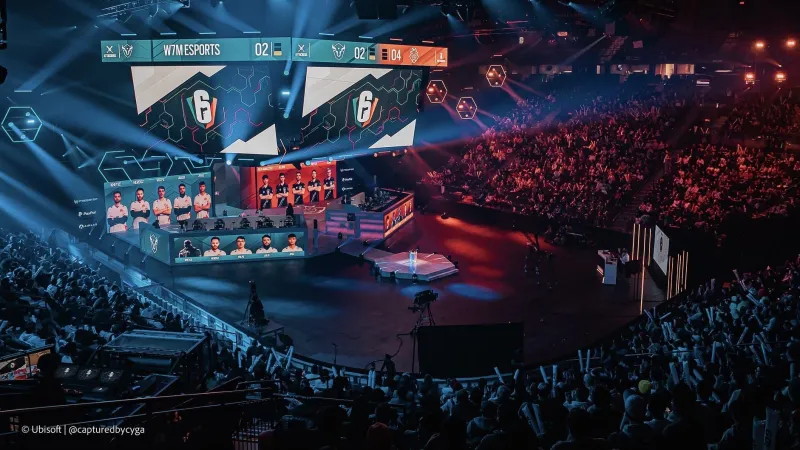
Photo: esports team substitutes practicing together in gaming setup UK, via cdn.sanity.io
Every UK clan says it wants a bench. Most actually want a fire extinguisher: something that sits untouched until the main roster catches fire. That works right up until the week before Christmas, when two players vanish into family commitments, one has a dodgy router, and your most reliable starter has finally hit the wall after eight straight Sunday nights. Suddenly the fire extinguisher is meant to be a second squad, and nobody has trained it.
At HighClans, we think the fix is not a bigger roster. It is a different job description. A bench should be a structured second squad with its own rhythm, its own reps and its own reason to log in. Here is how to build one that does not quit the moment it is needed.
The bench is a squad, not a waiting room
Start with language. If your Discord roles say Main and Reserves, you have already told half the roster where they stand. Try First Squad and Second Squad instead, or even A and B if it feels less precious. The point is not to pretend everyone is equal in every match. The point is to make it clear that the second squad has a job beyond covering for emergencies.
Give it a named captain, a fixed practice block and a simple goal for the month. That might be cleaning up a map pool, building a reliable retake setup, or learning two new comps without the pressure of league points. A second squad with its own mini-season stops feeling like a punishment posting and starts feeling like a place where players can actually improve.
Rotation rituals beat good intentions
Rotation is not a reward for good behaviour and it is not a punishment for a bad map. It is a schedule. Publish it.
A simple weekly ritual works better than a vague promise that everyone will get games. By Thursday, post the next week's rotation window. Say who is starting, who is covering which map, and which scrim block belongs to the second squad. If someone is moving between squads, tell them before the lobby opens, not after the first map has gone sideways.
Do not sub someone in cold after four maps and expect them to save the night. Give bench players a full scrim block, not just cleanup duty. If a starter needs a rest, plan it. If a second-squad player is pushing for a spot, give them a real audition rather than a panic call at 9pm on a Sunday.
The UK clan calendar makes this easier if you use it. Bank holidays, exam season, summer holidays and the long stretch before Christmas are predictable. Put rotation windows around them now, while nobody is stressed. A bench that knows when it is playing is far less likely to drift off to another server.
Fair practice time is a scheduling problem
Most bench resentment comes from waiting, not from losing. Players can accept being second choice. They cannot accept being told to sit in a lobby for two hours and then being blamed for a lack of chemistry.
Give the second squad a real slot. It does not need to be glamorous. A Tuesday drill night and a Thursday scrim block can be enough if they are protected. Use the same map pool as the first squad, run the same VOD review, and give the second squad a chance to scrim opponents at a similar level. Getting battered by a top-tier team every week is not practice. It is a confidence tax.
Track minutes the way you track results. If your second squad has not had a proper scrim in three weeks, that is a leadership problem, not a motivation problem. And please do not use bench players as permanent fill for the first squad's lobby queue. If they are only ever called to make up numbers, they will learn that they are a spare part. Then they will leave, and you will call it a mystery.
Investment is a pathway, not a pep talk
Bench players need visible next steps. That means feedback with a deadline, not a vague promise that they are close. It also means responsibility. Let a second-squad player own map prep for one week. Ask them to review a demo and bring two notes. Rotate them into comms calls during practice so they are not learning how to speak under pressure for the first time in a league match.
Recognition matters, but keep it proportional. A shout-out in the Discord is fine. A monthly review is better. Ask every bench player the same question: what would make you feel more involved? Some will want more scrims. Some will want a specific role. Some will tell you they are only there to play with friends. All three answers are useful.
Survive the calendar, not just the season
The real test of a bench is not a mid-season roster change. It is December. It is the week after a bank holiday. It is the point in the summer when half the squad is on holiday and the other half is pretending they are not burned out.
Plan for a minimum viable roster. Know which four or five players can cover a night, which maps you can safely play with a changed lineup, and which events you are willing to skip rather than force. Do not guilt people for having lives. A clan that treats burnout as a personal failing will get very good at recruiting and very bad at keeping anyone.
A strong bench does not quit because it was never just a bench. It was a second squad, with its own rituals, its own practice and its own path into the first team. Build that, and the next crisis is just a scheduling problem. Build the fire extinguisher, and the next crisis is the one that takes your clan apart.