Five Questions to Ask After a Scrim Wipeout (Before Anyone Opens a Spreadsheet)

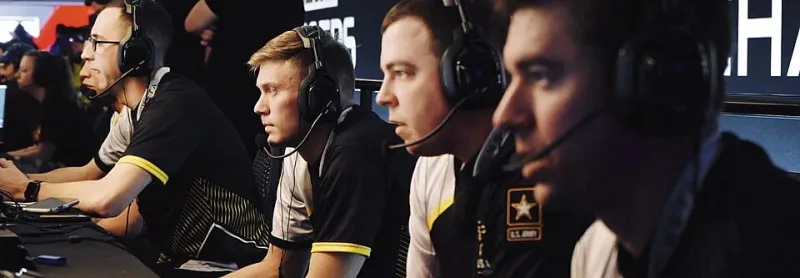
Photo: waketechcc, CC0, via Wikimedia Commons
You just got rolled in scrims. The scoreline is ugly, someone has already typed the word embarrassing, and there is a growing chance your Discord is about to become a courtroom. This is the moment most UK squads make the same mistake: they review the result instead of the decisions that produced it.
A proper post-scrim audit is not a tribunal. It is not a 90-minute group therapy session with a scoreboard attached. It is a short, repeatable check on the things you can actually change before the next block. Run these five questions after a bad night, keep the answers honest, and close the channel before it turns into a group chat about who is secretly terrible.
1. Did we agree what good comms sounded like?
Comms is not just people talking. It is information arriving early enough to be useful. Ask the squad for a thirty-second playback of the first lost round: who called what, when did it land, and did anyone act on it? If the answer is that it was quiet, loud, cluttered or weirdly polite, you have found a real issue.
Be careful here. Honest feedback does not mean letting the loudest person relitigate every mistake. Focus on information gaps, not personality. Did we call the rotate before it was obvious? Did we say who was watching the flank? Did we stop calling after the first bad map? Those are fixable. Someone being annoying in voice is a separate conversation, and probably not one for the whole squad.
2. Which map default did we abandon first?
Map defaults are agreements. They are the things you do when nobody has a better idea. Under pressure, most teams abandon them almost immediately and then wonder why everyone looks disconnected. Ask the squad to name the first default they broke. Not the worst one. The first one.
Maybe the default was a slow default and someone forced early. Maybe the default was a fast hit and someone stopped to overthink it. Whatever it was, name it and fix one thing this week. Do not rebuild the entire playbook after one rough night. Pick the default that fell apart first and give it a proper rep in the next practice block.
3. Could everyone describe their job in one sentence?
Role clarity is not a fancy org chart. It is knowing what you are supposed to be doing when the round gets messy. Go around the squad and ask each player to describe their job without using the word help. If two answers overlap, or one person cannot answer at all, you have found a structural problem.
This is especially useful for UK community clans because roles often drift. Someone fills in on support for a week, then becomes the default support player, then gets blamed for not playing like a dedicated support. Say the role out loud. Assign one owner for the next scrim. If the role changes, say that too.
4. Who controlled tempo: us or the scoreboard?
Tempo is not just aggression. It is whether you are choosing when to speed up, slow down, take space or reset. After a bad night, most teams will say they lost tempo. The real question is who took it from them.
Ask whether the squad made a conscious decision to change pace or simply reacted to the score. Did you rush because you were behind? Did you sit back because you were ahead? Did anyone call a reset and then get ignored? Pick one tempo rule for the next block, such as reset after two lost rounds or take the first neutral fight only when the utility is ready. Write it down. Vague intentions do not survive a bad map.
5. What changes, who owns it, and when do we check?
This is where most reviews fall apart. The squad agrees that comms were bad, map defaults were loose and everyone needs to be more accountable, and then nothing changes. Accountability is not a feeling. It is a name and a date.
Take one action per question, maximum. Name an owner. Name a check date. If the action is about comms, maybe the in-game leader owns a short call sheet for the next scrim. If it is about map defaults, the coach or captain owns a five-minute reset drill. If it is about tempo, someone owns the first ten minutes of the next VOD review. Then check it. If everything is a priority, nothing is.
The point of this audit is not to find the guilty party. It is to make the next scrim less stupid. Keep it to twenty minutes, keep it specific, and do not let it turn into a Select Committee inquiry into why the team is not winning. A bad night is data. Treat it like data, not a verdict.