Trials Without the Trial-and-Error: A Fairer Recruitment Blueprint for UK Clans
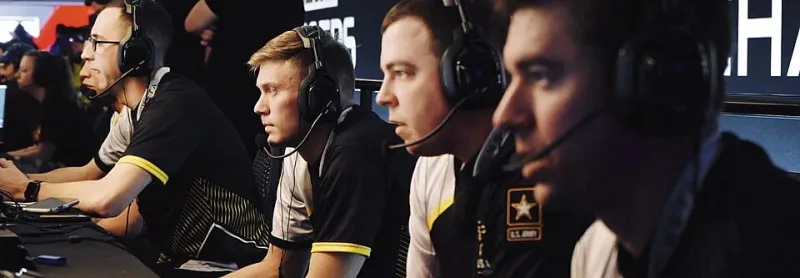
Photo: U.S. Army, Public domain, via Wikimedia Commons
Tryouts have a habit of sounding simple. You post in Discord, a handful of players turn up, everyone plays a few games, and the officers make a vibe call. Job done. Except it isn't. The players who didn't get picked leave with no idea why, the ones who did get picked often land in a squad that doesn't know what it's asking of them, and the officers spend the next fortnight managing hurt feelings instead of building a team.
For UK clans in 2026, recruitment is too competitive to run on guesswork. There are plenty of squads advertising for players; there are far fewer offering a trial that feels fair, moves quickly and tells everyone involved what happens next. The fix isn't a corporate HR process. It's a tighter, friendlier structure that respects everyone's evening.
Why the 'Jump In and See' Tryout Fails
The traditional tryout asks too much of the wrong things. It rewards players who are loud in comms, comfortable with strangers and lucky enough to have a good first map. It punishes quieter players, off-role players and anyone who needs ten minutes to settle. Officers then make a judgement based on a tiny sample, usually while also trying to play their own game.
That's not a trial. It's a vibe check with a scoreboard attached.
A better tryout narrows the question. You're not asking, 'Is this person good at the game?' You're asking, 'Can this person do the job our squad needs, in the way our squad plays, without making the next month miserable?' Those are different questions, and they need different evidence.
Start With the Role, Not the Rank
Before you invite anyone, write down the role you're actually recruiting for. Not 'flex' or 'good player' — the specific job. Are you after an entry fragger who takes first contact? A support player who can track utility and call rotations? An IGL who can stay calm when the map is falling apart? A reserve who can step in on Sundays without needing a three-week induction?
Once the role is clear, the trial can be short. You can tell applicants what they'll be tested on, which maps you'll use and roughly how long it will take. That alone filters out half the time-wasters and makes the whole thing feel less like a popularity contest.
The 45-Minute Scrim Block
You do not need a three-hour audition. A focused 45-minute block is usually enough to see how someone communicates, adapts and behaves when things go wrong. Structure it like this: ten minutes of introductions and comms setup, twenty minutes of scrims or ranked with clear objectives, ten minutes of review, and five minutes for questions.
Keep the group small. If six players are all trying to impress in one lobby, nobody gets a proper look. Rotate trialists through a stable core so they're playing with the squad's actual rhythm, not a pickup mash-up. And don't stack the trial with officers who spend the whole game chatting to each other. The trialist should be the focus.
Voice Comms Is Part of the Trial
In UK clan circles, we sometimes treat comms as a bonus. It isn't. It's part of the role. A player who gives clean, timely information is more valuable than one who wins a 1v1 but says nothing until the round is lost.
Listen for useful calls, not volume. Does the trialist tell you where they're going, what they're watching and when they need help? Do they react to your calls? Can they take a correction without going quiet or arguing? That last point matters more than raw aim. Coachability is the thing you can't easily teach later.
A Scorecard That Doesn't Reward Flashiness
A simple scorecard keeps the trial honest. Score four things on a one-to-five scale: role fit, comms, coachability and team behaviour. Add a short note for each. Don't just tally kills. A player who follows the plan and makes two good calls can be a better signing than someone who freelances for highlight clips.
The scorecard also protects officers from bias. If two trialists are close, you can look at the notes and ask which one fills the role more cleanly. If someone is clearly not ready, you can say so kindly and specifically. 'Not quite the comms level we need for this role right now' is a much better message than silence.
Keep the Trial Group Moving
Trials can turn into cliques if you let them. The existing squad starts chatting in-jokes, the trialist feels like an outsider, and the officers mistake awkwardness for bad fit. Avoid that by giving the trialist a named point of contact for the evening, introducing them to the squad properly and keeping the lobby chat inclusive.
Also, don't leave people hanging. Give a decision within a few days. If they're not right for this role, tell them what would make them a stronger applicant next time. UK clans are small enough that today's rejected trialist is tomorrow's reliable reserve — or the person who warns their mates about your recruitment process.
The Squad Starts on Day One
The best tryout doesn't feel like an audition. It feels like the first session of a squad. The trialist should leave knowing what the team is trying to do, how comms work and what the next step looks like. The officers should leave knowing whether the role is filled.
That's the shift. Less 'turn up and impress us', more 'come and see how we work'. Fairer, faster and — genuinely — more fun. And in a scene where everyone is competing for the same committed players, that's not just nicer. It's better recruitment.