One Night Under Lights: Why a Single Open Cup Beats Another Month of Friendlies
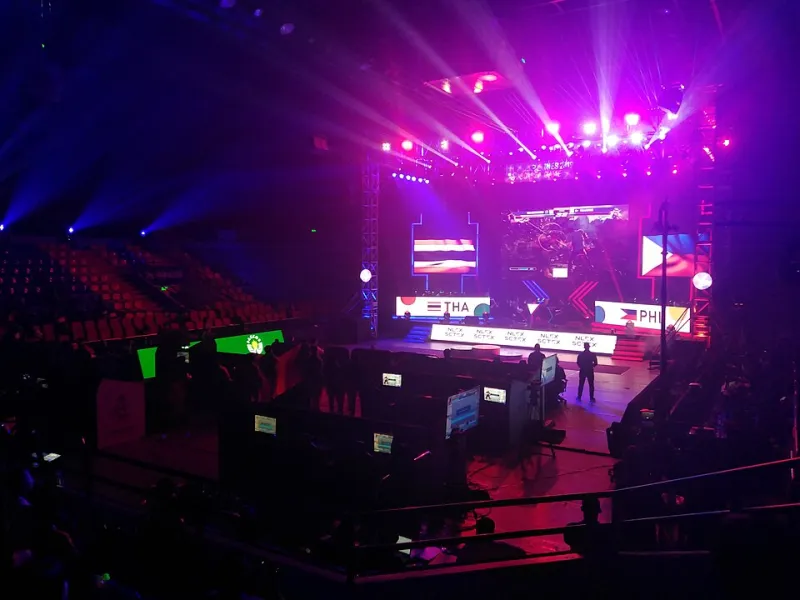
Photo: Hariboneagle927, CC BY-SA 3.0, via Wikimedia Commons
Every January, half the country watches a non-league side dump a Championship club out of the FA Cup and spends a week talking about it. They talk about the pitch, the away end, the keeper who works in a warehouse. Nobody talks about the forty league fixtures that team played to get there. The cup is the story. The friendlies are the admin.
Your clan has that same gap. You've got a standing Tuesday block, a rotation of three or four friendly opponents, and a Discord channel that hums along pleasantly. What you don't have is a date in the diary that makes everybody sit up straight. Entering one open UK cup — a community-run bracket, a regional circuit qualifier, a one-night charity LAN-style online event — is the cheapest way to buy that.
Friendlies Are a Warm Bath
Let's be fair to scrims and friendlies. They're how you get reps, try a new site, let the newest player bed in. They're low-stakes by design, and low stakes are useful.
But they have a flaw: nothing is at risk, so nothing gets sharpened. Nobody checks their mic twice. Nobody reads the rulebook. When you lose 13-4 on a Tuesday, the conversation afterwards is a shrug and a joke. When you lose 13-4 in a bracket with a check-in deadline and a team name in the title, the conversation afterwards is a proper one.
That's not about being dramatic. It's about the difference between practice and performance, and most clans never cross the line.
What an Open Cup Actually Asks of You
Strip away the romance and a cup run is logistics. Get these right and the rest is just playing.
Read the rulebook properly. Every bracket has one, and they're not identical. Map pool, side choice, overtime format, whether coaching comms are allowed, whether you can stream your own POV. Skim it once as a leader and once with the squad on voice — five minutes, saves an argument later.
Register your subs before the lock. Nothing stings like a no-show at 8:55pm when your fifth player's internet dies and the friend who could have stepped in isn't on the roster. Most organisers lock rosters twenty-four to forty-eight hours out. Put the deadline in the pinned message.
Sort check-in. A lot of open brackets run check-in windows of fifteen or thirty minutes before the start. Miss it and you're out without a map being played. Nominate one person — usually the leader — to handle check-in and admin DMs, and make sure they're not also trying to warm up.
Have the boring evidence ready. Screenshots of the scoreboard, match IDs, who has admin rights on the tournament Discord. If there's a dispute, the team with the screenshots wins.
The Diary Problem, and How to Fix It
Here's the honest objection: a cup means a fixed start time, and fixed start times are where UK clans fall over. School runs, shift patterns, the bloke who's always ten minutes late because of the train.
So don't ask for the whole evening. Ask for a ninety-minute window and be ruthless about it. Confirm availability seventy-two hours out, not on the night. Have a named reserve who knows they're on standby and isn't just a vague possibility. Tell people clearly that if you're going out in round one, you're going out at 8:50pm and everyone gets their Tuesday back.
That last point does more for attendance than any amount of nagging. A short commitment is an easy yes.
Expectations: Aim for the Debrief, Not the Trophy
If you've never played a competitive bracket, the realistic target is not the semi-final. It's this: play your game plan under pressure, keep comms clean for two maps, and come out with something you can actually learn from.
That means setting the frame before you enter. Say it out loud in the channel: we are going in to see what we're like when it counts. If we get a round one win, brilliant. If we get battered, we'll know why by 10pm.
The Debrief You Can't Fake
This is the bit friendlies genuinely can't give you. After a scrim, memory is mushy. After a tournament match, everybody remembers the exact moment the wheels came off — the eco you threw, the double peek on the site you'd agreed to leave alone, the timeout nobody called.
Book the debrief for the following night while the pain is fresh. Twenty minutes, three questions: what did we say we'd do, what did we actually do, and what's the one thing we change next time. Write it down. That note is worth more than a month of Tuesday blocks.
Even If You Go Out in Round One
Plenty of clans do. The bracket is full of teams who've been together for years. You will probably get a rough draw.
What you keep regardless: a shared story. Something to refer to. The night we played the cup and Sam clutched a 1v3 on the pistol round. The night we forgot check-in and had to beg an admin. Clans are held together by a surprising amount of pure anecdote, and anecdotes need occasions.
And then there's recruitment. "We play Tuesdays and we entered the [cup name] in November" is a far stronger line in a recruitment post than "we're a friendly clan looking for active players." It tells a stranger you're organised, that you can handle a deadline, and that there's something on the horizon to join for.
Entry fees for open community cups in the UK are usually small or zero. The real cost is one evening and a bit of admin. Put the date in the diary, read the rulebook, and find out what your clan looks like when it matters.