Twenty Players, One Village Hall: The Unsexy Truth About Running a UK Clan LAN
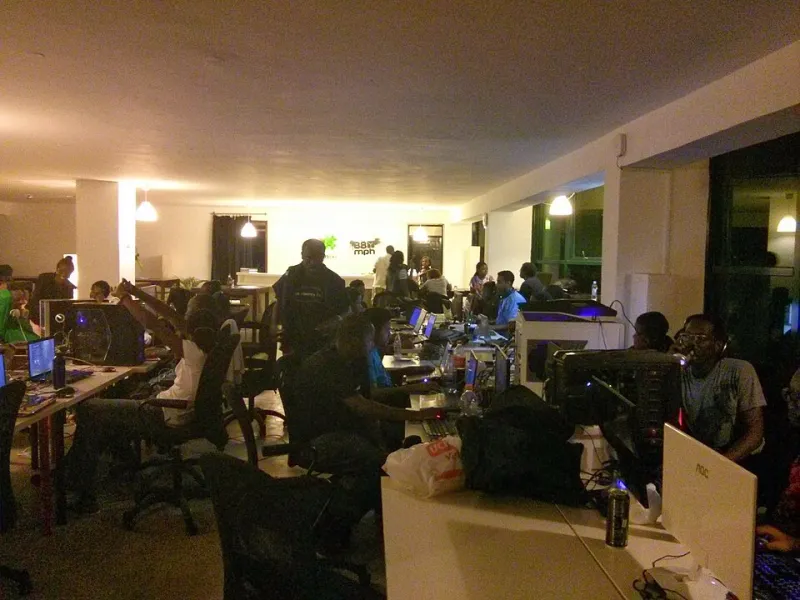
Photo: Hilary Murugu, CC BY-SA 4.0, via Wikimedia Commons
Every clan gets the same message eventually: we should do a LAN. It's a lovely idea right up until someone asks where, and then the group chat goes very quiet for three days.
What follows is the boring half of that conversation. Not the bit with the group photo and the glorious 2am match, but the venue checks, the plug maths and the paperwork that means the weekend actually happens instead of becoming a poll nobody votes on.
Decide What the Weekend Is, Before You Book Anything
There are two shapes. One is a social LAN: play games, eat badly, sleep, repeat, no brackets. The other is a mini-tournament with seeding and a spreadsheet. They need different venues, different timings and different amounts of stress.
Pick one, say so in the pinned message, and be honest about it. A social weekend that quietly becomes a competition is how you end up with twenty people who all had a slightly worse time than advertised.
The Venue: What to Ask Before You Pay a Deposit
Community halls, village halls, sports club function rooms — the UK is genuinely well served here, and rates outside city centres are kinder than you'd expect. A hall in Leeds or a function room in a Midlands sports club will cost far less than anything with 'gaming' in the name.
Ask these questions before money changes hands:
- Capacity and layout. How many tables and chairs are included? Is there a floor plan?
- Power. How many separate circuits, and what's on each one? Do not accept 'there's plenty of sockets' from anyone who hasn't counted.
- Internet. Assume the venue's wifi is decorative. Test it with a laptop beforehand, then plan as if it won't work — one nominated person on a 5G hotspot for admin and updates.
- Access times and curfew. When do you get the keys, when must you be out, and is there an alarm code to learn?
- Kitchen. Kettle, urn, fridge, hot water, washing-up facilities.
- Parking and loading. Is there a drop-off point near the door, or is it 400 metres of gravel?
- Accessibility. Step-free entry, accessible toilets, and how far the nearest station actually is.
- Insurance. Many halls require public liability cover or a certificate before they'll hand over the keys. Ask early; it takes longer than you think.
- Deposit and cancellation terms. Assume one person will drop out and read the small print now.
Money, Insurance and the Treasurer Nobody Elected
Do the maths in public. Hall hire divided by expected headcount, plus kit insurance, plus a food budget, plus a contingency of around 10–15%. Publish the sum. Nothing kills a clan faster than a hidden shortfall that one person quietly absorbs.
Take deposits early, set a non-refundable cut-off date, and write the refund policy down before anyone pays.
On kit: household contents insurance often won't cover expensive gear taken out of the home, and policies vary widely. Check yours rather than guessing. Failing that, look at event cover, and as a bare minimum photograph every tower on arrival and keep a serial-numbered kit list. Two minutes of admin versus a missing headset argument on Sunday afternoon — take the admin.
Age, Alcohol and the Awkward Paperwork
If under-18s are coming, this stops being optional. You need a named responsible adult for each minor, a parental consent form with emergency contacts and relevant medical info, and sleeping arrangements that don't put minors in a mixed room. The responsible adult doesn't drink, full stop.
Alcohol is the other conversation. Plenty of community venues ban it outright or require it to be declared on the booking — check before you promise anyone a pint. If you are allowing drinks, draw a clear line: after a set hour, in a set room, no glass near kit, and a named sober person who knows where the first aid kit is and has the venue contact number saved.
Add a small incident log to the weekend folder. You will almost certainly not use it. You'll be very glad it exists if you do.
Getting Twenty People and Their Towers to One Postcode
Travel is where a good LAN quietly falls apart. A few things that help:
- Share train times and pick a station with lifts and a taxi rank, not the one that's technically closest.
- Car shares: match drivers with boot space to people with mid-towers, split fuel in advance, and agree who's bringing what so you don't end up with four monitors and no keyboards.
- Pin a packing list a fortnight out: tower or console, monitor, keyboard, mouse, headset, every cable, a power strip, an ethernet cable, and a marker to label it all.
- Build one spare kit box for the clan: an HDMI cable, a display cable, a power lead, a spare mouse, a spare headset, gaffer tape and a first aid kit.
Plug Maths and the No-Daisy-Chain Rule
A hall with four double sockets is not a LAN. A mid-range PC plus a monitor can pull a serious amount between them, and twenty of them at once is a proper electrical load.
Ask the venue which circuits serve which walls, spread your tables across them, use surge-protected strips, and never chain one extension lead into another into another. Tape down every cable that crosses a walkway — someone will otherwise trip at exactly the moment their team is winning. If you're unsure, ask the venue or an electrician. That's cheaper than a tripped ring main at 10pm.
The Schedule That Isn't Really a Schedule
Saturday: arrivals and setup, coffee, a couple of warm-up games, food, then a long evening block. Sunday: casual games, pack-down from midday, group photo, out before the venue's deadline.
Leave two hours of slack on both days. Somebody will forget a monitor cable, somebody's Windows update will take forty minutes, and the takeaway will be late. Slack isn't wasted time; it's the difference between a relaxed organiser and one who's quietly furious by Saturday teatime.
The Tiny Things People Actually Remember
Not the schedule. Not the bracket. These:
- Kettles, tea bags, milk and biscuits. Water that isn't warm.
- A quiet room for anyone who needs to step out.
- Somewhere obvious to charge a phone.
- Signage saying which table is which.
- Bin bags. More bin bags than you think.
- A lost property bag and a marker for labels.
- A weekend group chat with the address, an organiser's number and the plan for if something goes wrong.
After the Weekend
Send the photos. Ask two questions — what worked, what would you change — and actually write down the answers along with the venue's quirks for next time. Then book nothing for three months.
The LAN that survives isn't the ambitious one. It's the one where somebody did the plug maths, printed the consent forms and bought too many biscuits.